Legacy and Wealth
How Do I Build a Business That Lasts?
Business Resilience and Long-Term Value
Many business owners focus on today's challenges: customers, employees, profitability, cash flow and growth. While these are important, long-term success depends on more than short-term performance.
The most resilient businesses are those that can adapt to change, withstand disruption and continue creating value over many years. They are less dependent on individual people, supported by strong systems and capable of evolving as markets, technology and customer expectations change.
Building a successful business is an achievement. Building one that remains successful for decades creates lasting value, greater freedom and more future opportunities.
The Longevity Frustration Cycle: Successful Today, Uncertain About Tomorrow
Many business owners have built successful businesses but remain concerned about future challenges and long-term sustainability.
Common concerns include:
- The Dependency Problem: Too much knowledge and decision-making remain with the owner.
- The Adaptability Problem: The business struggles to respond quickly to change.
- The Talent Problem: Future success depends on attracting, developing and retaining the right people.
- The Resilience Problem: Unexpected events could significantly affect performance.
- The Value Problem: The business is successful, but its long-term value may not be growing.
- The Future Uncertainty Problem: Owners are unsure whether the business is truly prepared for the future.
A business can be profitable today while remaining vulnerable tomorrow.
Long-term success requires resilience, adaptability and deliberate planning.
What Makes A Business Resilient?
Business resilience is the ability to withstand challenges, adapt to change and continue creating value over time. Resilient businesses are often better prepared for economic uncertainty, technological disruption and changing customer expectations.
- Financial Strength: Strong cash flow, sustainable profitability and appropriate financial reserves help businesses withstand unexpected challenges and invest confidently in future opportunities. Financial resilience often provides the flexibility needed to adapt during periods of uncertainty.
- Leadership Depth: Businesses that rely heavily on a single owner or key individual can be vulnerable when circumstances change. Developing leadership capability throughout the organisation improves continuity and reduces operational risk.
- Adaptability: Markets, technology and customer expectations continue to evolve. Businesses that monitor change and respond effectively are often better positioned to remain competitive.
- Strong Systems: Effective systems and documented processes improve consistency, reduce reliance on individuals and help support long-term growth. Systems and technology are often central to reducing dependency, improving consistency and building a business that can scale.
- Discover More → Using technology and systems to build a stronger business → Technology, Systems & Business Performance.
- Customer Diversity: Over-reliance on a small number of customers can create significant risk. A diversified customer base often improves stability and resilience.
- Continuous Improvement: Successful businesses regularly review performance, identify opportunities and implement improvements that strengthen future performance.
Resilience is rarely created by accident. It is built through deliberate decisions that strengthen the business over time.
Wood & Disney's Long-Term Value Framework
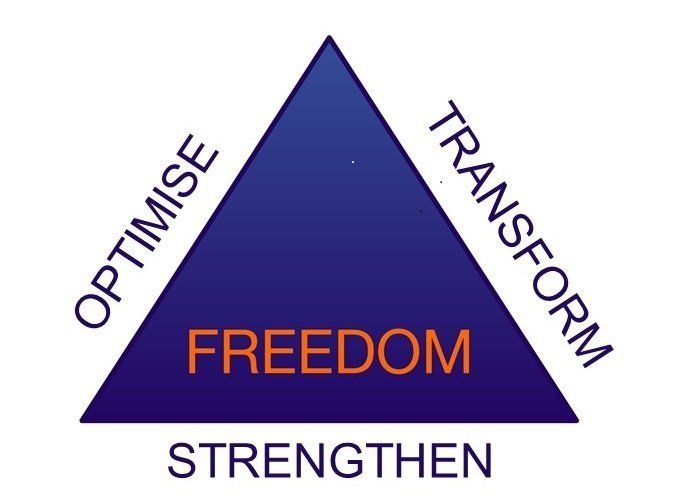
Strengthen Foundations
Create financial stability, operational control and business resilience.
Build Future Capability
Develop systems, people and processes that increase long-term business value.
Reduce Dependency
Create a business that is less reliant on individual owners or key personnel.
Create Future Choices
Build flexibility and optionality for future growth, succession, sale or continued ownership.
How Do Business Owners Increase The Long-Term Value Of Their Business?
Business value is influenced by far more than current profitability. Buyers, investors and future successors often look for businesses that are resilient, scalable and capable of sustainable success.
- Improve Profitability: Consistent profitability demonstrates financial strength and provides confidence that the business can continue generating value in the future. Long-term value is easier to build when profit, cash flow and business performance are actively monitored.
- Discover more → Strengthening profit, cash flow and financial performance → Profit, Cashflow & Financial Performance.
- Reduce Owner Dependency: Businesses that can operate successfully without constant owner involvement are often viewed as more resilient, scalable and valuable.
- Develop Strong Leadership: A capable management team improves continuity, decision-making and future growth potential.
- Strengthen Systems & Processes: Documented systems improve efficiency, consistency and transferability while reducing operational risk.
- Build Recurring Revenue: Predictable income streams often increase stability, improve cash flow and make future performance easier to forecast.
- Invest in Future Capability: Technology, innovation, employee development and operational improvement all contribute to long-term business value.
The factors that increase business value are often the same factors that improve resilience and future performance.
Why Do Some Businesses Thrive For Decades While Others Struggle To Survive?
Long-term success rarely depends on luck alone. Businesses that endure over many years often share a number of common characteristics.
- Clear Direction: Businesses with a clear vision and long-term objectives are often better able to prioritise resources and make consistent decisions.
- Willingness to Adapt: Long-term success requires the ability to respond to changing markets, technology and customer expectations.
- Strong Culture: A positive culture helps attract, retain and develop people who contribute to sustainable success.
- Customer Focus: Businesses that consistently create value for customers are more likely to maintain relevance over time.
- Financial Discipline: Strong financial management supports investment, resilience and informed decision-making.
- Continuous Learning: Organisations that embrace improvement and learning are often better prepared for future opportunities and challenges.
Longevity is often the result of many small decisions made consistently over time.
Reactive Business Management vs Future First Business Thinking
| Reactive Business | Future First Business | |
|---|---|---|
| Focus | Immediate challenges | Long-term sustainability |
| Decisions | Short-term priorities | Future impact considered |
| Leadership | Owner dependent | Shared capability |
| Systems | Informal | Structured |
| Change | Reactive | Anticipated |
| Value | Current performance | Enduring value |
Build A Business That Creates Choices
Many business owners spend years building successful businesses without stopping to consider what those businesses could become.
A resilient, valuable and future-ready business provides more than income. It creates opportunities. Opportunities to grow, step back, involve family members, reward key employees, prepare for succession or simply enjoy greater freedom and confidence.
Building long-term value creates options for the future, whatever that future may look like.
How Can Business Owners Reduce Dependency On Themselves?
One of the greatest risks facing many businesses is excessive reliance on the owner. Reducing dependency improves resilience and creates greater flexibility.
- Delegate Responsibility: Delegating decision-making authority allows the business to operate more effectively and reduces pressure on the owner.
- Develop Leadership: Building management capability creates additional capacity and improves organisational resilience.
- Document Processes: Capturing key knowledge and procedures ensures that important activities are not dependent on a single individual.
- Improve Systems: Technology and structured systems can reduce reliance on personal oversight and manual intervention.
- Share Knowledge: Encouraging collaboration and information sharing improves continuity and reduces key-person risk.
- Create Accountability: Clearly defined responsibilities help individuals take ownership and improve consistency.
Reducing dependency does not mean becoming less important. It means creating a stronger and more sustainable business.
Businesses that are less dependent on their owners are often more resilient, more valuable and better positioned for future growth, succession or sale.
Reducing owner dependency also supports future succession, leadership continuity and long-term transferability.
Discover more:
How Do Business Owners Future-Proof Their Businesses
Future-proofing is not about predicting the future perfectly. It is about building a business that can adapt successfully to whatever the future brings.
- Monitor Change: Understanding developments in markets, technology, regulation and customer behaviour helps businesses identify risks and opportunities early.
- Invest In Capability: Developing people, systems and infrastructure creates a stronger foundation for future growth.
- Strengthen Financial Resilience: Healthy cash flow, profitability and reserves improve the ability to navigate uncertainty.
- Embrace Innovation: Remaining open to new ideas and technologies can improve competitiveness and operational effectiveness.
- Diversify Risk: Reducing dependence on individual customers, suppliers, products or markets improves resilience.
- Review Strategy Regularly: Regular strategic reviews help ensure decisions remain aligned with long-term objectives.
- Build Adaptability: Businesses that can respond quickly to change are often better positioned to succeed in uncertain environments.
The businesses most likely to succeed are not necessarily the biggest or fastest-growing. They are often the ones that remain strong, adaptable and capable of responding effectively as conditions change.
Frequently Asked Questions:
What Is A Resilient Business?
A resilient business is able to withstand challenges, adapt to change and continue creating value despite uncertainty. Resilience is often built through a combination of financial strength, effective leadership, robust systems and a willingness to evolve as circumstances change. Resilient businesses are typically less dependent on individual people, better prepared for disruption and more capable of responding to changing customer needs, market conditions and technological developments. Over time, resilience helps create stability, confidence and long-term business value.
How Do I Build A Business That Lasts?
Long-term business success is rarely achieved through short-term decisions alone. Businesses that endure over many years often combine strong financial management, adaptable leadership, effective systems and a culture of continuous improvement. They regularly review their strategy, invest in people and remain responsive to changes in markets, technology and customer expectations. Building a business that lasts involves creating an organisation that can continue succeeding even as circumstances evolve.
How Do I Increase The Value Of My Business?
Business value is influenced by much more than current profitability. Factors such as recurring revenue, strong leadership, effective systems, customer relationships and future growth potential all contribute to value. Businesses that are less dependent on their owners and can operate successfully without constant involvement are often viewed as more valuable. Improving business value typically involves strengthening the underlying foundations that support sustainable long-term success.
What Makes A Business Future Ready?
A future-ready business is able to adapt successfully to changing circumstances while continuing to create value. This often involves strong financial foundations, effective systems, capable people and a willingness to embrace innovation where appropriate. Future-ready businesses regularly review their strategy, monitor emerging trends and invest in the capabilities required to remain competitive in an evolving environment.
How Can I Future-Proof My Business?
Future-proofing is not about predicting the future perfectly. It is about building a business that can adapt to future challenges and opportunities. This often involves investing in people, systems, technology and financial resilience while maintaining strategic flexibility. Businesses that continually improve, monitor change and remain responsive to evolving customer needs are often better positioned for long-term success.
What Factors Affect Business Value?
Business value is influenced by a combination of financial and non-financial factors. Common drivers include profitability, cash flow, recurring revenue, customer relationships, leadership capability, operational systems and future growth prospects. Businesses that are resilient, well-managed and less dependent on individual owners are often considered more valuable because they present lower risk and greater future potential.
Why Do Some Businesses Last Longer Than Others?
Businesses that survive and thrive over long periods typically share several characteristics. They adapt successfully to change, maintain strong financial discipline, invest in capable people and continually improve their operations. Rather than relying on past success, they remain focused on future opportunities and challenges. Longevity is often the result of many small decisions made consistently over time rather than any single strategy or event.
What Does It Mean To Create Future Choices?
Creating future choices means building a business that provides flexibility and options rather than limiting future possibilities. A resilient and valuable business may allow owners to continue growing, reduce their involvement, involve family members, reward key employees, prepare for succession or eventually sell the business. The stronger and more adaptable the business becomes, the greater the range of future choices available.
Is Building Business Value Only Important If I Want To Sell?
No. Increasing business value benefits owners regardless of whether they intend to sell, transfer or retain the business. Many of the factors that improve value—such as stronger systems, reduced owner dependency, better profitability and improved leadership—also improve resilience, flexibility and long-term performance. Building value is therefore often about creating a stronger business rather than simply preparing for an eventual sale.
How Do I Know If My Business Is Too Dependent On Me?
A business may be overly dependent on its owner if key decisions, customer relationships, operational knowledge or day-to-day activities cannot function effectively without their involvement. Common signs include difficulty taking time away from the business, frequent interruptions, limited delegation and concerns about what would happen if the owner became unavailable. Reducing dependency often improves resilience, scalability, business value and future flexibility.
Can A Business Be Profitable But Not Resilient?
Yes. A business can generate strong profits while still being vulnerable to future challenges. For example, it may depend heavily on a small number of customers, key employees or the owner themselves. It may also lack the systems, financial reserves or adaptability required to respond to changing market conditions. Profitability reflects current performance, whereas resilience reflects a business's ability to continue succeeding over the long term.
Take Your Next Step
Wood and Disney works with established owner-managed businesses across Colchester, Essex and the UK to build resilience, reduce owner dependency and strengthen long-term value.
Resilient businesses create stronger cash generation and greater long-term value.
The next challenge is ensuring that value benefits you personally.